TheBone RoomStart learning

The bones

The bones of the leg

The number of bones in a leg depends on where you stop counting. An anatomist uses “leg” for the stretch from knee to ankle, which contains the tibia and fibula. From hip to ankle there are four bones: femur, patella, tibia, and fibula. Count the whole lower limb, including the foot, and the answer is 30.

This page stays with the four bones from hip to ankle. The femur runs through the thigh and is the longest, strongest bone in the body. The tibia is the sturdy weight-bearer below the knee, while the slimmer fibula gives muscles a place to attach and helps form the outside of the ankle. Between them sits the patella, a real bone formed inside the quadriceps tendon. That makes it a sesamoid bone, and the largest example in the body.

There is a left and right copy of each, so these four names account for eight of the 206 bones in the adult skeleton. The other 26 bones in each lower limb belong to the foot and ankle page. It is one of those counts that sounds contradictory until somebody draws the boundary on the body, and then every answer has its proper place.

These 4 entries account for 8 of the 206.How the 206 is counted.

On this page: Try one · Questions · The plates · The specimens · Nearby

01 · Try one

Can you name this one?

This is how the lab asks. A bone you name today comes back a week later to be named again, and that is how it stays known.

Identify the specimen

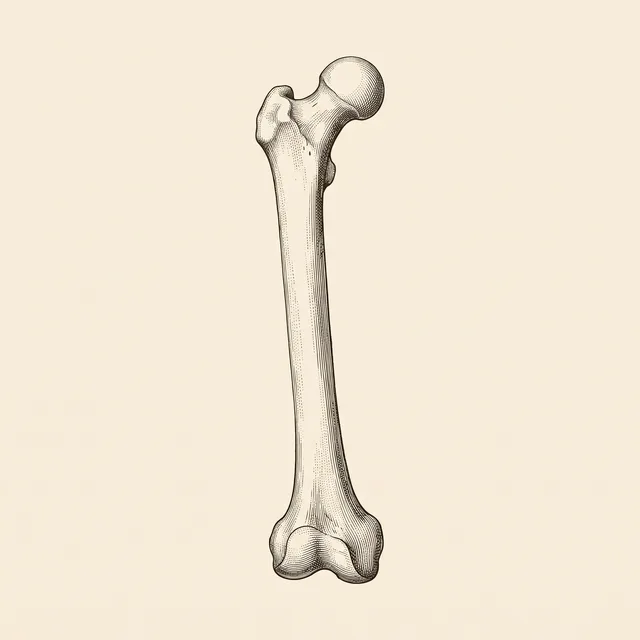
The single long bone of the thigh, hip to knee.

2 (left + right)

femur
plural: femora
“thigh bone”
In the body2 (left + right)
DescriptionThe single long bone of the thigh, hip to knee.
Field noteThe longest and strongest bone in the body, roughly a quarter of your height. Forensic anthropologists use it to estimate stature.

02 · Questions

The questions people ask about these bones.

How many bones are in the leg?

In anatomical language, the leg from knee to ankle has two bones, the tibia and fibula. There are four from hip to ankle when the femur and patella are included, and 30 in the whole lower limb once the 26 bones of the foot are counted. OpenStax, Bones of the Lower Limb

What is the largest and strongest bone in the body?

The femur. It is the single bone of the thigh, and its length is roughly one quarter of a person's height. OpenStax, Bones of the Lower Limb

Is the kneecap a real bone?

Yes. The patella is a sesamoid bone, meaning it forms inside a tendon where the tendon crosses a joint. It sits in the quadriceps tendon and is the largest sesamoid bone in the body. OpenStax, Bones of the Lower Limb

Does the fibula bear weight?

The fibula does not bear body weight. The tibia does that work, while the fibula mainly provides places for muscles to attach and forms the outer bump of the ankle. OpenStax, Bones of the Lower Limb

03 · The plates

Every specimen with a plate of its own.

04 · The specimens

What each one is called, and how it is counted.

femur

plural: femora
“thigh bone”
femur2 (left + right)
In the body2 (left + right)
DescriptionThe single long bone of the thigh, hip to knee.
Field noteThe longest and strongest bone in the body, roughly a quarter of your height. Forensic anthropologists use it to estimate stature.
On record
  • The femur is the body’s longest and strongest bone and is roughly one quarter of a person’s height. OpenStax 8.4
  • A small pit in the femoral head anchors a ligament that carries an artery to the head of the bone. OpenStax 8.4

patella

plural: patellae
“kneecap”
patella2 (left + right)
In the body2 (left + right)
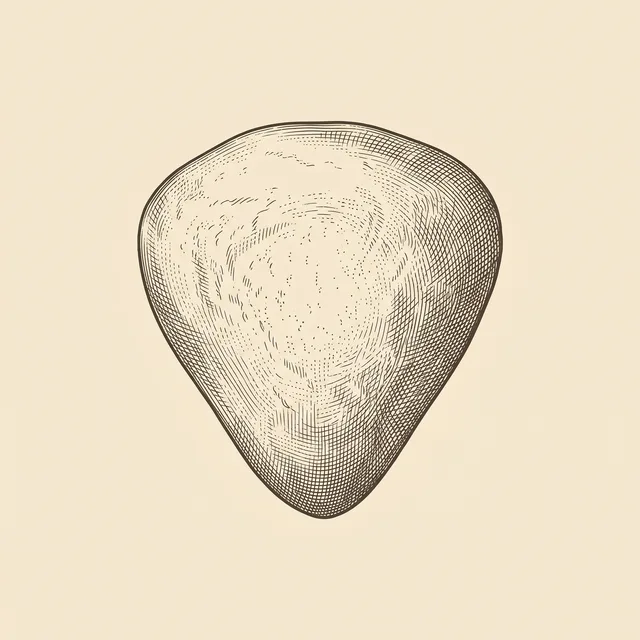
DescriptionSmall, roughly triangular bone set into a tendon in front of the knee joint.
Field noteThe largest sesamoid bone: it develops inside the quadriceps tendon and glides in a groove at the end of the femur.
On record
  • The patella is the body’s largest sesamoid bone: a bone that develops inside a tendon. StatPearls
  • By holding the quadriceps tendon away from the knee, the patella gives the muscle better leverage. StatPearls
  • The kneecap glides against the femur but does not actually form a joint with the tibia. OpenStax 8.4

tibia

plural: tibiae
“shinbone”
tibia2 (left + right)
In the body2 (left + right)
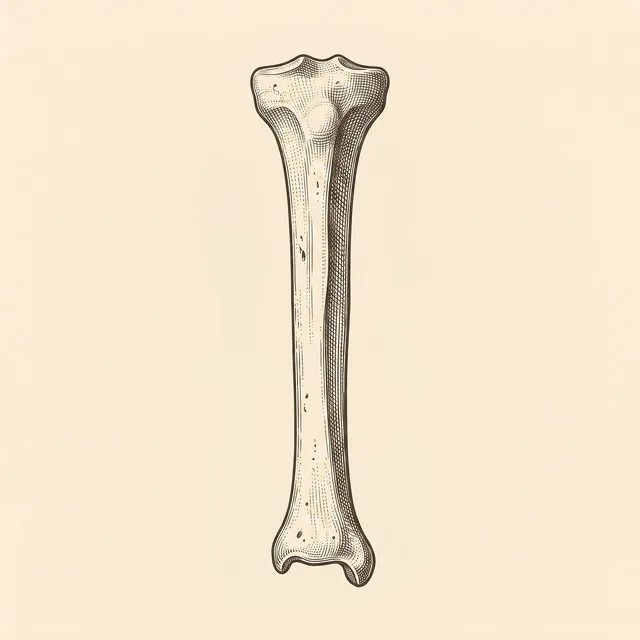
DescriptionThe thick lower-leg bone at the front, the edge you feel when you bang your shin.
Field noteThe second-longest bone in the body, and the one that carries nearly all your weight below the knee.
On record
  • The tibia is the second-longest bone and the main weight-bearing bone below the knee. OpenStax 8.4
  • The bump on the inside of your ankle is the tibia’s medial malleolus. OpenStax 8.4

fibula

plural: fibulae
“calf bone”
fibula2 (left + right)
In the body2 (left + right)
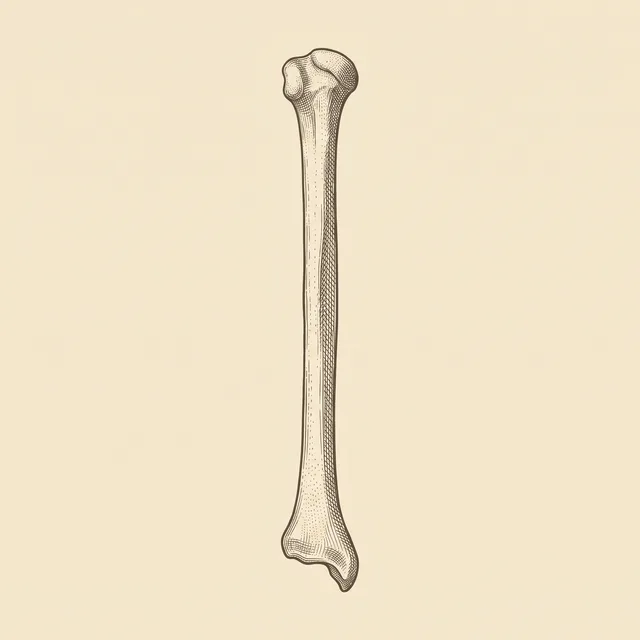
DescriptionThe slender bone running along the outside of the lower leg, beside the shinbone.
Field noteLatin for "brooch pin": paired with the tibia it resembles an ancient clasp. It bears very little body weight; surgeons sometimes borrow pieces of it for bone grafts.
On record
  • The slender fibula carries little or no body weight, yet its lower end is essential to ankle stability. StatPearls
  • Surgeons can use part of the fibula to rebuild a damaged mandible because the tibia handles the leg’s main weight-bearing job. StatPearls

05 · Learn them

Reading them is not the same as knowing them.

In the lab these are Case 02, The Leg, on the Explorer track.

It introduces bones a few at a time, asks where they are, and comes back days later to check they stayed.

Start with theseBegin with four bones. It’s free, and you don’t need an account.

Nearby: arm and shoulder · rib cage · spine and pelvis · hand · wrist · foot and ankle · skull · ear · all nine