The free, friendly way to learn every bone in your body.
A few specimens at a time, each one on its own engraved plate, and a lab that keeps coming back to check you still remember them. You don’t need to know a single bone to start.
Start learningBegin with four bones. It’s free, and you don’t need an account.
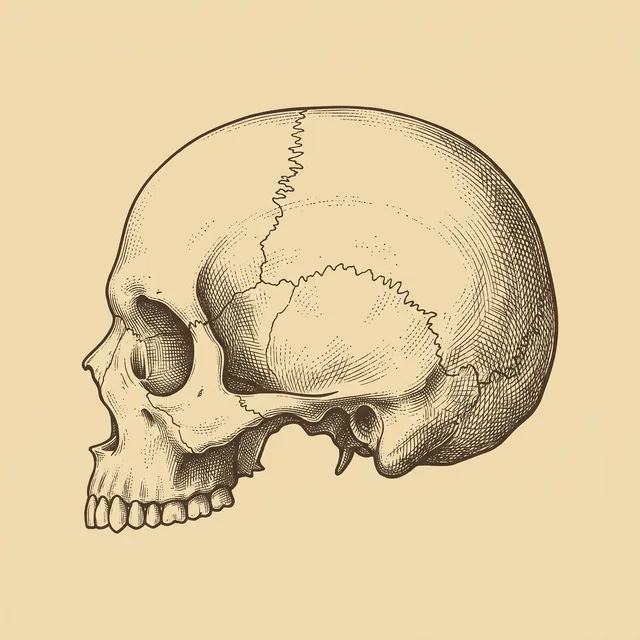
01 · Try one
Try one right here.
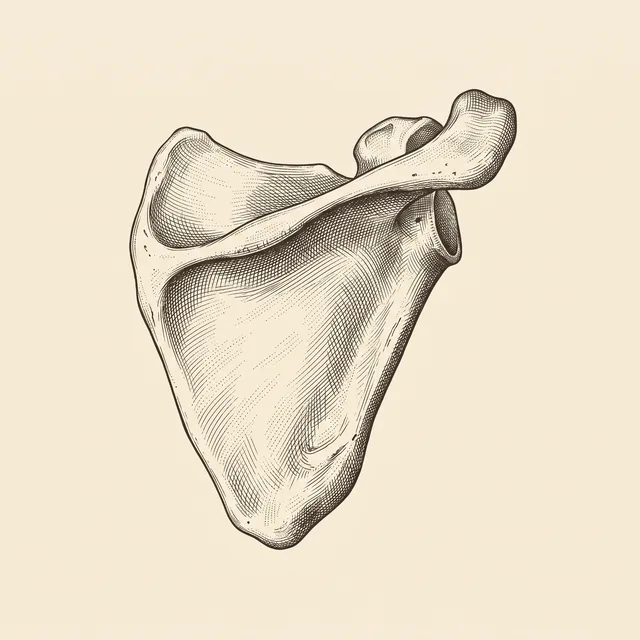
Flat, triangular bone lying over the ribs on the upper back.
2 (left + right)
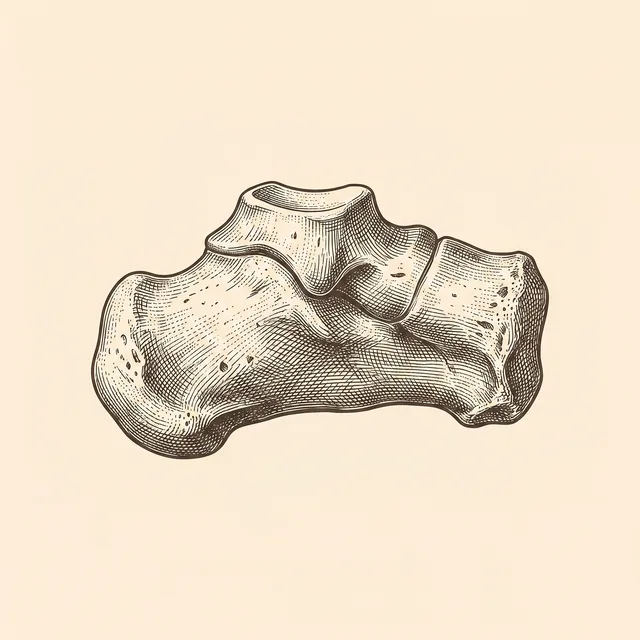
The large bone forming the heel.
2 (one per foot)
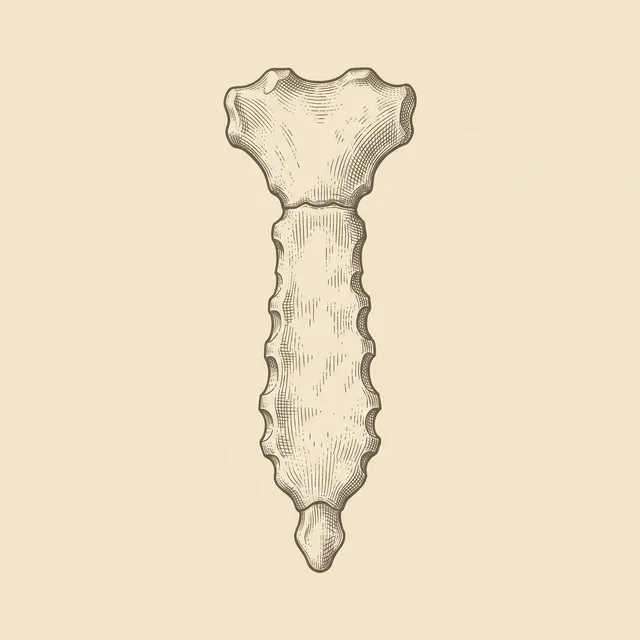
Flat bone in the center of the chest where the ribs meet.
1
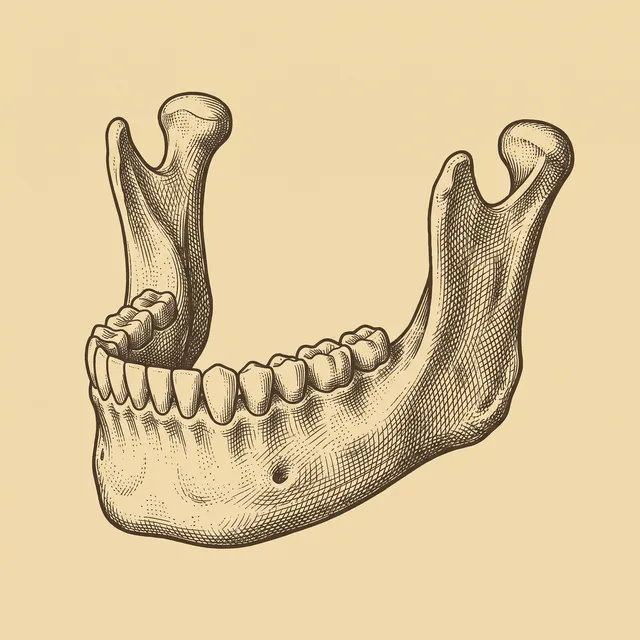
The bone holding the lower teeth.
1
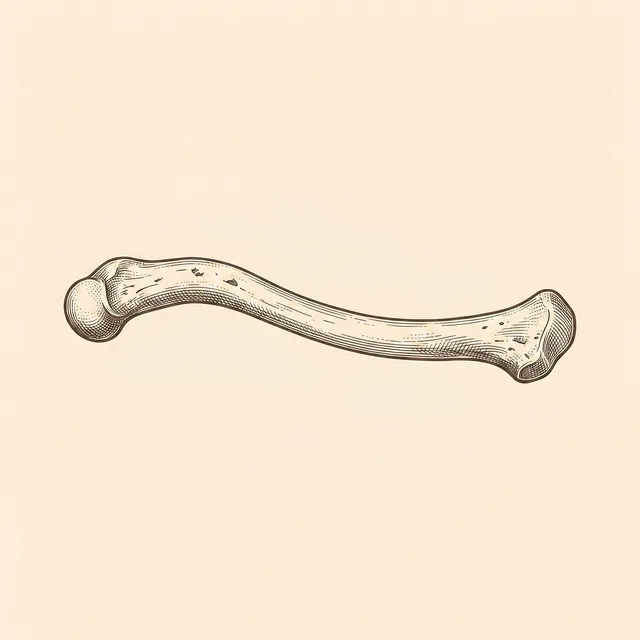
S-shaped strut connecting the breastbone to the shoulder blade. You can feel it just under the skin.
2 (left + right)
That was one of 67. The other sixty-six are waiting in the lab, and nobody expects you to know any of them yet.
02 · How it feels
A few specimens at a time, and the lab keeps checking.
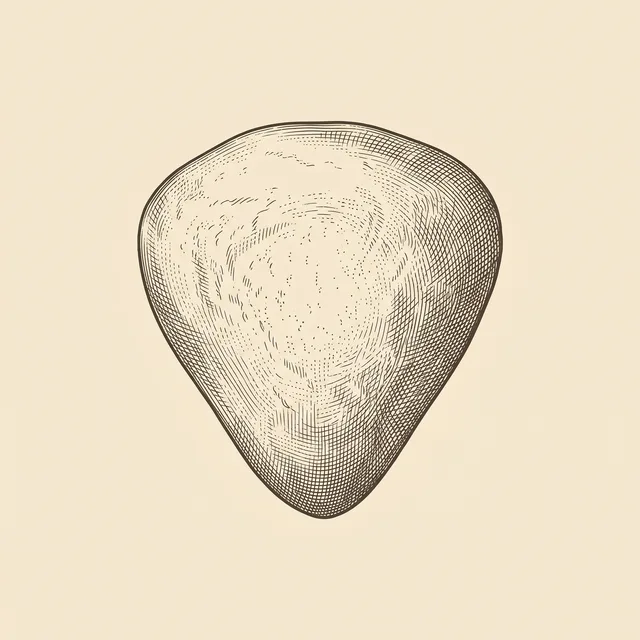
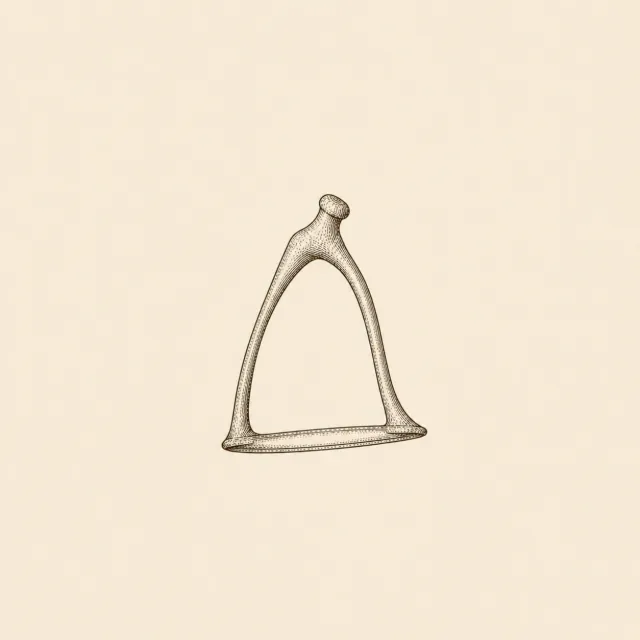
Each examination brings you up to four new specimens, along with any earlier ones that are due for another look, and you can keep going or stop whenever you like. Every bone arrives as an engraved plate with a little case file and a nickname you already use, like the kneecap, the thigh bone or the collarbone, and when an examination closes the lab leaves you a field note, one bone fact you didn’t have that morning.
A bone isn’t cataloged until you’ve named it correctly on three separate days, the last of them typed from memory, and a week later it comes back as a cold case to be checked again. If you get it right, the gap before the next check grows, and if you get it wrong it goes back into training for a while. There’s a lab streak to keep going if that motivates you, and if it breaks, nothing you’ve learned breaks with it: after a week away you simply pick up where you left off, one batch at a time.
You don’t need a medical degree or a good memory, just a bit of curiosity. The lab starts you with the big bones in your arms and legs and works its way down to the three tiny ones in each ear. If you’d like the full picture, here is how it all works, and here is how the 206 bones are counted.
03 · Your account
Make an account and your progress can follow you.
Without an account your progress lives in this one browser, so clearing your browsing data or changing phones would mean starting again. A free account keeps a copy of your record with the lab, and whichever device you sign in on can pick it up, so you can examine specimens on the train and carry on at your laptop.
It takes an email address and a code we send you, and there’s no Bone Room password to create or remember. The Bone Room runs in your browser and can be added to your phone’s home screen, so there’s nothing to install. Here is exactly what an account stores.
04 · Begin
Your first specimens are already on the desk.
Start learningBegin with four bones. It’s free, and you don’t need an account.
And if you’d like to know why it exists, that story is here.