How it works
Up to four new specimens an examination, three separate days to catalog one, and cold cases that come back to check. Here is how it all fits together.
Start learningBegin with four bones. It’s free, and you don’t need an account.
01 · Your desk
Up to four new specimens land on your desk.
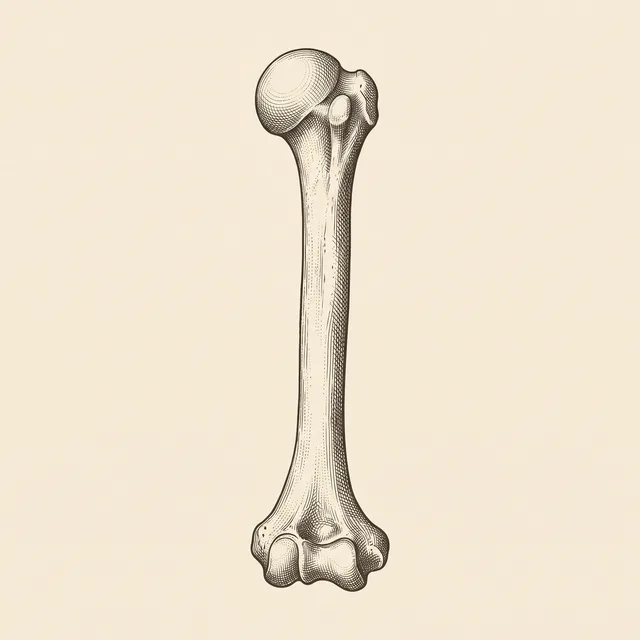
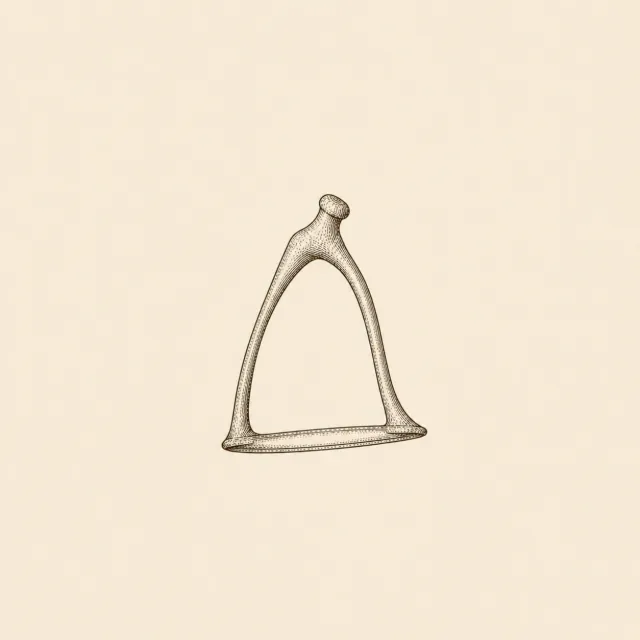
Each examination brings up to four new specimens, and once you’ve cataloged a few, earlier ones that are due for review join them on the bench, so a session can be larger than four and you can carry on for as long as you like. Every specimen comes as an engraved plate with a case file, its proper name and a nickname you already know. Once you’ve worked out what each one is and filed it away, the examination closes and the lab leaves you a field note about one of them to take with you.
02 · Filing
It takes three separate days to catalog one.
Getting a bone right five times in one sitting proves nothing, because you’d have lost it again by Thursday, so the lab only counts one correct answer per bone per day. Once you’ve named it correctly on three different days, the last of them typed from memory, it’s cataloged and it moves into the archive.
03 · Two tracks
Two tracks: the Explorer first, then the Scholar.
The lab is split into two tracks. The Explorer track is where everyone starts, and its seven case files cover the 29 bones and groups you would recognize by name, from the arm and shoulder down to the foot and up to the head. The Scholar track opens later, and its eight case files go inside the groups you have already met: the bones of the braincase one at a time, the wrist and the ankle bone by bone, the ribs by class, the finger and toe bones by row, and the two neck vertebrae with names of their own.
Case files open in order. The next one opens once every specimen in the current one has been identified correctly at least once, so a case you are working through does not hold up the one behind it. The Scholar track asks for more: it is issued once every Explorer specimen has been answered correctly on two separate days. Nothing is hidden for the sake of it, the order just means you always meet the big bones before the small ones inside them.
explorer track · 7 case files
- 01The Arm & Shoulder
- 02The Leg
- 03The Chest
- 04The Spine & Pelvis
- 05The Hand
- 06The Foot
- 07The Head & Throat
scholar track · 8 case files
- 08The Facial Bones
- 09The Auditory Ossicles
- 10The Braincase Bones
- 11The Named Vertebrae
- 12The Rib Cage in Classes
- 13The Phalanx Rows
- 14The Ankle Completed
- 15The Wrist
04 · Cold cases
Then the cold cases come back.
A week after you catalog a bone it lands on your desk again without warning, and after that the checks come at growing intervals. If you get it right, the gap before the next check stretches out, and if you get it wrong it goes back into training for a while, which is simply the check doing its job. Nothing is ever marked as known for good, and that is what makes the archive worth trusting.
05 · Your account
An account keeps a copy of your progress and lets it travel.
You can use the lab without one, and your progress lives in your browser. That works until you clear your browsing data, switch phones, or want to pick up on your laptop what you started on your phone, and at that point a free account is the answer, because it keeps a copy of your record and hands it to whichever device you sign in on.
Signing in is your email address and a code we send you, so there’s no Bone Room password to create or remember. From the app’s Privacy screen you can export your records, delete the cloud copy, or delete the whole account whenever you like. The privacy page lists everything an account stores.
06 · The 206
How The Bone Room counts the 206.
The adult skeleton has 206 bones, 80 in the axial skeleton and 126 in the appendicular skeleton, but nowhere near 206 individual names, because many bones come in numbered or grouped sets, like ribs 1 to 12, most of the vertebrae, and the phalanges of the fingers and toes.
The Bone Room teaches 48 individual bone names and introduces the remaining bones through those numbered or grouped sets, so its 67 case entries account for every one of the 206. The arithmetic is on the screen where you can see it.
Counts follow OpenStax, Anatomy and Physiology 2e, section 7.1, Divisions of the Skeletal System.
| Coverage | Entries | Bones |
|---|---|---|
| Named individually | 48 | 84 |
| Groups fully broken down (carpals, tarsals, cranium) | 3 | counted above |
| Named by class or row | 11 | 80 |
| Named by region and count | 5 | 42 |
| Total | 67 | 206 |
07 · What’s inside
What is inside
- 15case files
- 67learning entries
- 206all 206 bones accounted for
- 67specimen plates
- 146field notes, one after each examination
- four question types
- two practice drills
- works on your phone, and you can add it to the home screen like an app
08 · The plates
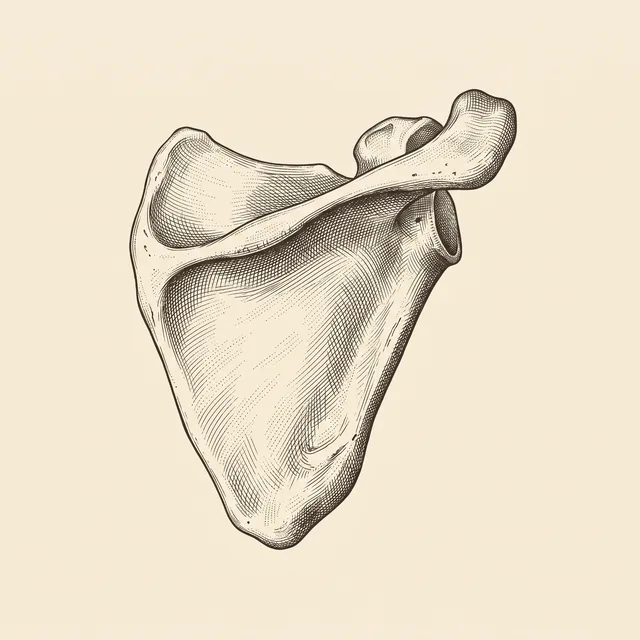
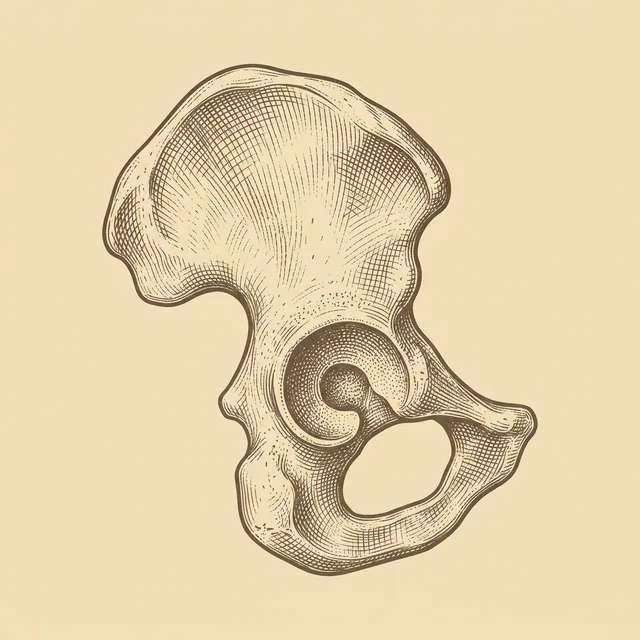
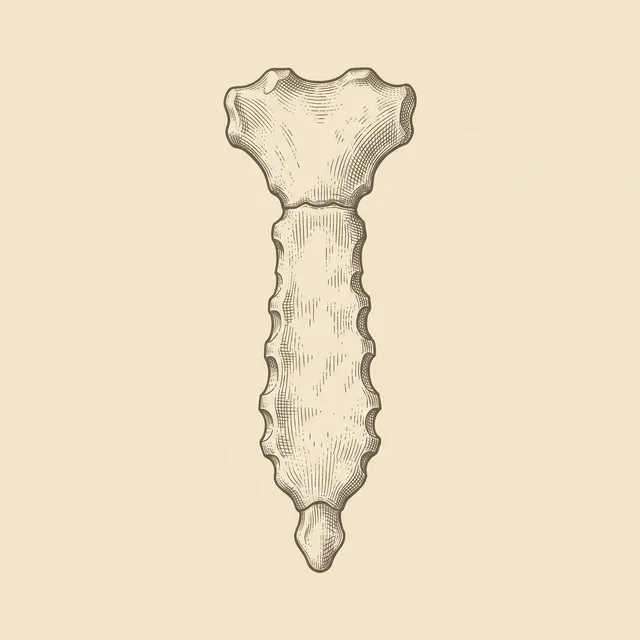
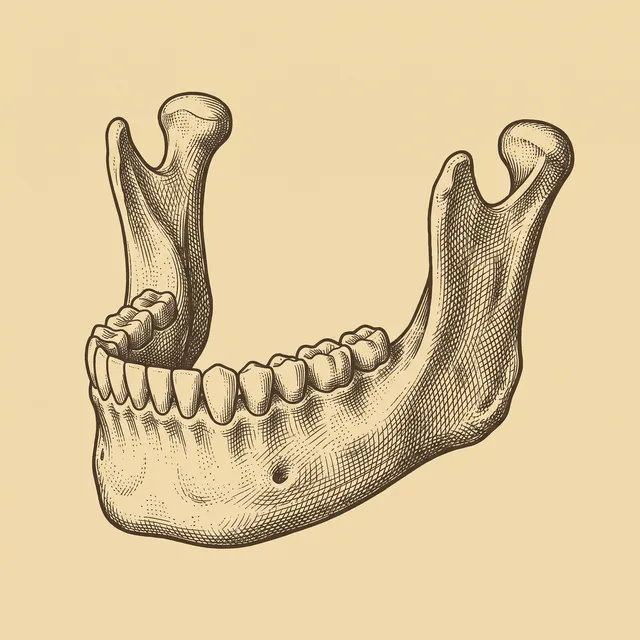
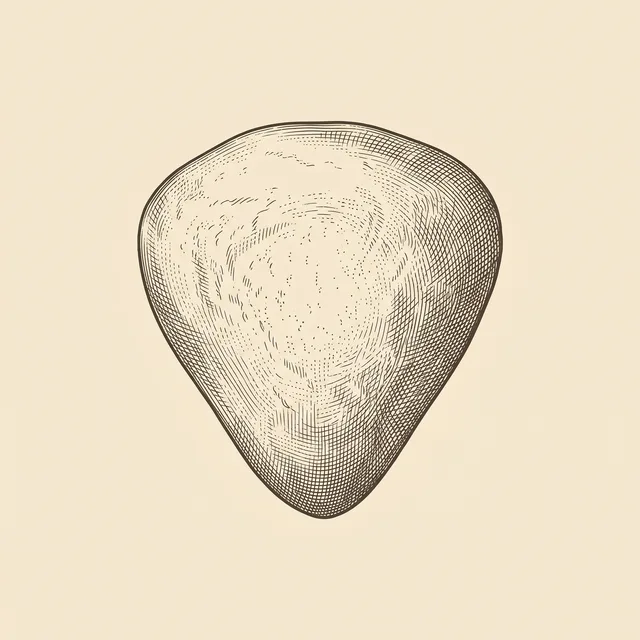
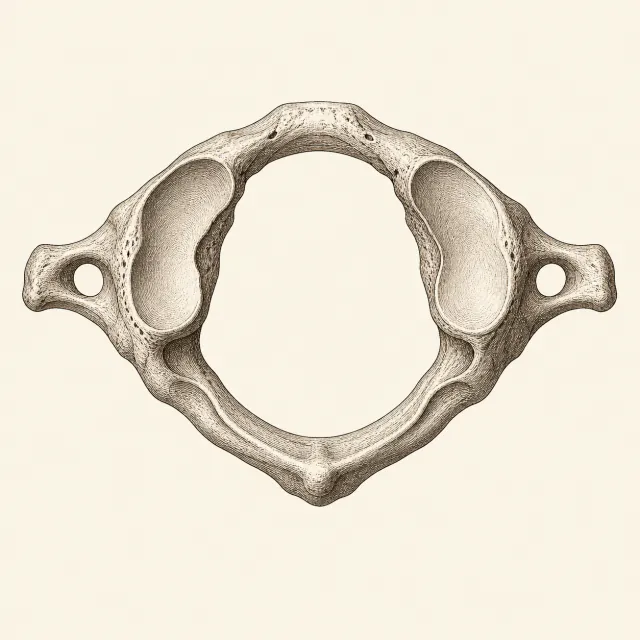
The plates
09 · Questions
The questions people ask before they start.
Is it free?
Yes. There is no paid version and nothing inside the lab to buy. It is a one-person project, and it was built to be free from the start.
Do I need an account?
No. You can open the lab and start without one, and your progress lives in your browser on that device. A free account keeps a copy of your record so it can follow you to another device or survive a cleared browser, and signing in is your email address and a code we send you. More on accounts above.
Does it work offline?
You need a connection to open the lab. Once it is open, a dropped connection loses nothing, because every answer is written to your browser on the spot, and if you are signed in the copy with your account catches up the next time you are online.
How long does it take?
Nobody is timing you. An examination brings up to four new specimens plus anything due for review, and you can close it once the new ones are filed or carry on. A bone needs three separate days before it counts as cataloged, so the lab works best as a small thing you open most days, and the whole skeleton takes as long as it takes.
Do I need to know any anatomy first?
No. The first case file is the big, familiar bones, the ones you could point to on your own arm, and every specimen arrives with a nickname you already know beside its proper name. The tiny ones come much later, once the big ones are in the archive.
Is The Bone Room finished?
No, and it says so on every page: it is in beta. The anatomy is checked, but the app is still growing, and things will move around. If something looks wrong, send a correction through the contact page.
Is the anatomy accurate?
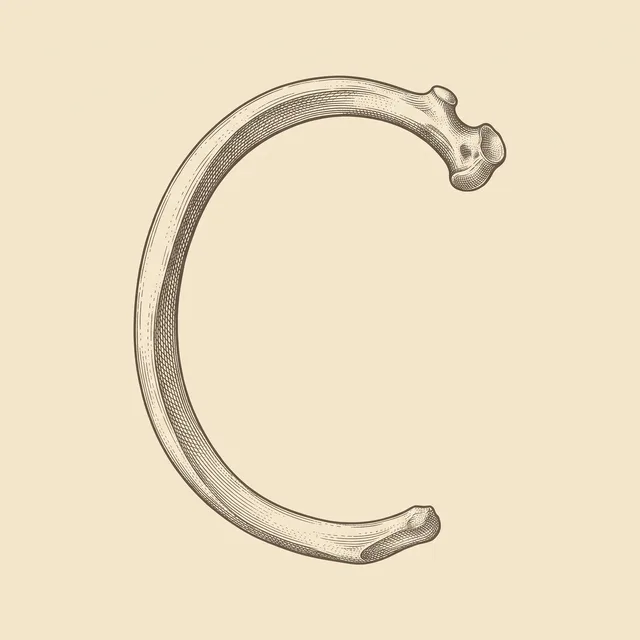
The names, counts and field notes were checked against published references, and every entry in the lab shows its source. The specimen plates are AI-generated and reviewed by hand against written descriptions, and they have not yet been reviewed by a qualified anatomist, so treat a plate as a good likeness rather than a reference image. How The Bone Room is made says the rest.
Why does it say 206 bones when there are far fewer names?
Because many bones come in numbered or grouped sets, like the ribs and most of the vertebrae. The Bone Room teaches 48 individual names and introduces the rest through those sets, and the arithmetic is shown on the page called The 206.
10 · Begin
Your first examination starts with the big, familiar bones.
Open the lab, meet your first specimens, and see how many you can name by the end of the week.
Start learningBegin with four bones. It’s free, and you don’t need an account.
If you’re wondering who is behind it, that story is here.